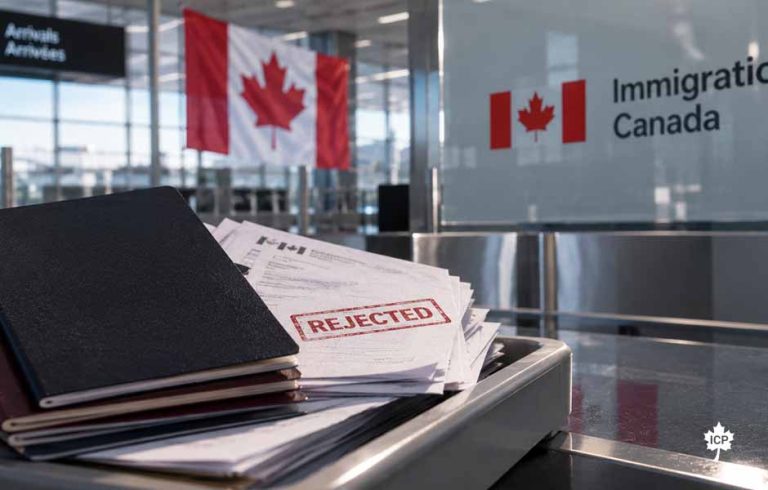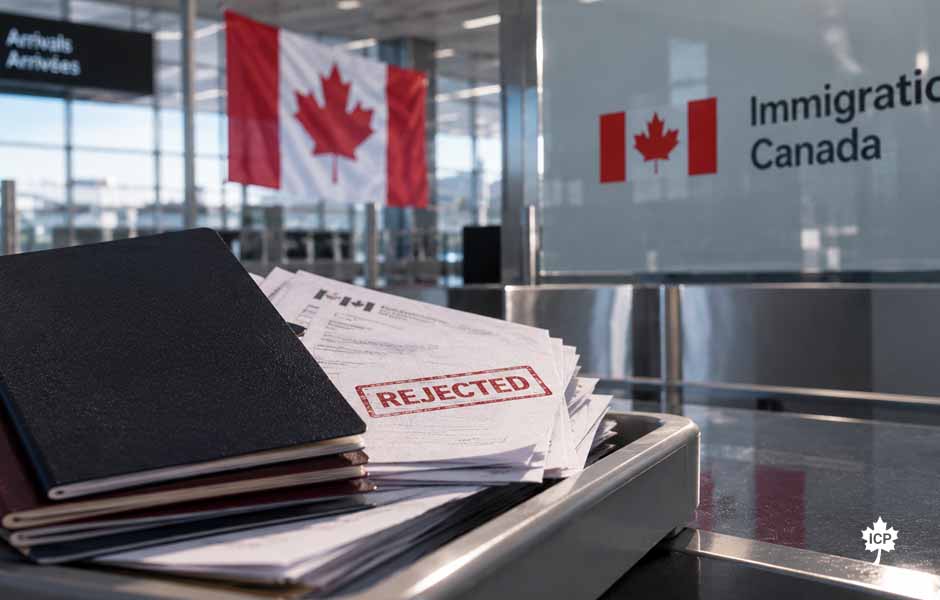
Canada’s immigration system has become noticeably stricter in recent years, and widespread abuse of immigration programs may be one of the reasons genuine applicants are now facing heavier scrutiny.
False work experience, altered job titles and NOC codes, fraudulent pay records, questionable job offers, fake language results and misleading information in visa and permanent residence applications are among the practices that have put increasing pressure on the system.
As these problems have grown, immigration authorities and provincial programs have responded with tighter verification requirements, more employer checks, interviews and closer examination of supporting documents.
Programs that were once relatively straightforward have also become considerably harder to access. Provincial pathways in Saskatchewan, Ontario and Alberta now involve much greater scrutiny, while employers themselves may face additional verification or site inspections.
The same pattern has appeared in programs connected to French-language ability. As Francophone pathways became more attractive, concerns emerged over fraudulent language results, backdated course records and applicants attempting to qualify without genuinely meeting the language requirements. Increased interviews and verification have followed.
Visitor visa applicants have also experienced high refusal rates, while legitimate applicants can find themselves subject to the same suspicion created by years of misrepresentation and program abuse.
The result is a difficult cycle: the more applicants manipulate immigration pathways, the more verification authorities introduce. That can mean longer processing, tougher documentation requirements and fewer flexible options, even for applicants who have done everything correctly.
At the same time, Canadian immigration remains active. More than 121,000 Express Entry invitations had reportedly already been issued in 2026 at the time discussed in the transcript, surpassing the totals cited for previous years.
The issue, therefore, is not simply that Canada is closing the door to immigration. Instead, increasingly strict rules may reflect an effort to keep immigration programs operating while preventing fraud and restoring confidence in the system.